







Featured Posts

Why we’re retiring the Feedback for Teachers survey – and what replaces it
byFrom Semester 2 2026, the Feedback for Teachers (FFT) survey will no longer be available to teachers. It’s being retired as part of a…












Latest Posts

Why we’re retiring the Feedback for Teachers survey – and what replaces it
byFrom Semester 2 2026, the Feedback for Teachers (FFT) survey will no longer be available to teachers. It’s being retired as part of a…
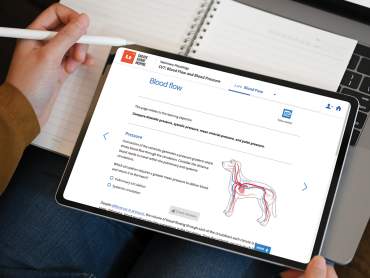
Transitioning our students well into the Doctor of Veterinary Medicine curriculum
byEach year roughly 140 students will enrol into the postgraduate Doctor of Veterinary Medicine (DVM). Coming into this program from diverse undergraduate backgrounds, the…
MPLF updates and how to get started
byWe’ve been busy making two big updates to the Modular Professional Learning Framework (MPLF), and we’re excited to share them with you. Below you’ll…

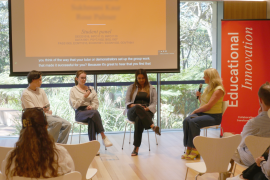
Goodbye slide decks? Rethinking group presentations through a classroom mini-conference
byIn many group presentations, only one part of the room is really active: the group at the front. The rest of the class is…

Using an AI practice bank to support formative assessment in economics
byIn a large first-year economics unit, students kept asking for the same thing: more exam-style practice. Generative AI gave us a way to provide…

When a real reference isn’t real evidence
byIn a recent assessment, I asked students to do something that sounded fairly simple: find references to support a set of assumptions used in…

Podcasting as co-production: Creating knowledge with students
byThis semester, I experimented with something I had never formally incorporated into my teaching before: producing a podcast with final-year anthropology students reflecting on…

Belonging first: creating space for connection in learning and teaching
byLarge higher education institutions can be exciting and energising places to work, but they can also feel fragmented and, at times, isolating. Learning and…

MCQs still matter for learning – here’s how to make them count
byMultiple Choice Question (MCQ) quizzes have long been part of many assessment plans. But with easy access to AI and its phenomenally rapid performance…

Designing first-year assessments with care
byStarting university can feel exciting, but it can also feel daunting. New students are not just learning content. They are learning how university works, what counts…

A guide to Honours oral exams
byFor most Honours students, the thesis represents the culmination of their year’s work, a single written document that stands as the primary evidence of…

Improving first-year teaching: Insights from students on what works
byThe transition to higher education is never an easy or simple process. Being thrust into independent adult learning is a dizzying shift for Sydney’s…

Rethinking foreign language learning through graphic narratives
byStudents today rarely read only words, but constantly move between images, video, text, and design in their everyday lives. Outside the classroom, they scroll…
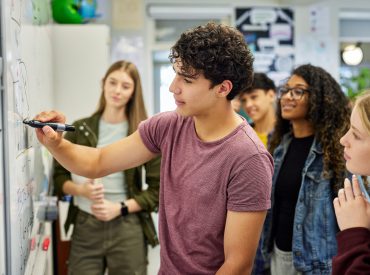
Making complex topics tangible using collaborative whiteboards
byImagine walking into a first-year undergraduate class and asking students to explain feedback loops, interdependencies, or emergent behaviour. For many students, these ideas feel…
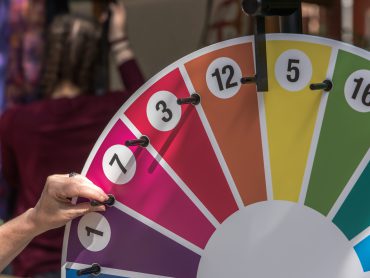
How weekly group randomisation transformed student collaboration and belonging
byGroup work is a fundamental aspect of active learning, providing students with opportunities to collaborate, problem-solve, and develop essential teamwork skills. It enables students…

Rubrics: More than a marking tool
byAssessment drives learning. At the University of Sydney, it serves three interconnected purposes: supporting students to act on feedback and improve (assessment for learning), developing students as independent,…

How Padlet supports relational feedback
byMid-semester is a tricky time. Students are deep in the rhythm of the unit, assessments are looming, and any feedback we gather needs to…

Engagement doesn’t have to be visible
byWhen we picture an engaged student, we tend to envisage the similar things: a hand raised, a question answered, a contribution offered without hesitation….

Why feedback matters (and matters more) for open assessments
byThe ability and availability of generative AI tools — which can complete many of our assessments, including quizzes, assignments, reports, reflections and presentations, potentially…

Guide for markers of open assessments
byPurpose of this guide This guide supports markers working with open (Lane 2) assessments which are designed as assessment for learning and where any AI…

What peer review for teaching is actually like
byMost of us teach in relative isolation. We plan our classes, deliver them, and move on – rarely with the chance to see how…

Developing Self-Regulated Learners with an AI Career Coach
byHow do we help students become independent, self-directed learners, especially when AI tools make it tempting to skip the hard and deep thinking? Self-regulated…

Assessments for learning, equity, and agency in a first-year unit
byAssessment redesign is rarely driven by a single factor. In a first-year, first-semester Occupational Therapy unit at the University of Sydney, several pressures and…

Recognising the individual in collaborative learning
bySome months ago, I received an email from a mature, domestic student that prompted a moment of reflection: “Truthfully, you are the only educator…