
How do we know our graduates have achieved what their degree promises?
When we award a degree, we are making a significant claim. We are stating that graduates of that degree have developed the knowledge and…
 Teaching@Sydney
When we award a degree, we are making a significant claim. We are stating that graduates of that degree have developed the knowledge and…

Accelerating a University-wide conversation about learning, graduate capability and the student experience Universities often talk about preparing students for the future. The challenge with…

In many group presentations, only one part of the room is really active: the group at the front. The rest of the class is…

Assessment drives learning. At the University of Sydney, it serves three interconnected purposes: supporting students to act on feedback and improve (assessment for learning),…

How do we help students become independent, self-directed learners, especially when AI tools make it tempting to skip the hard and deep thinking? Self-regulated…

Some months ago, I received an email from a mature, domestic student that prompted a moment of reflection: “Truthfully, you are the only educator…
When students have crossed the stage at their graduation and have left the Great Hall one last time, how do we know what they…
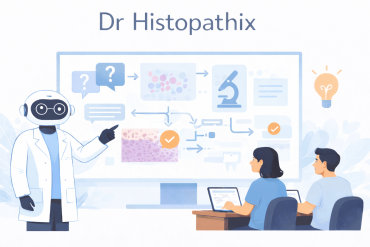
Oral and Maxillofacial Pathology is the study of diseases that affect the teeth, mouth, jaws, and gums, and is one of the core areas…

Over the last three years, more and more educators are incorporating generative AI responsibly and effectively to support student learning. At this regional symposium,…

Higher Degree by Research (HDR) journeys are often framed as a sort of personalised apprenticeship in disciplined inquiry: sifting texts manually, wrestling with raw…